



Early Signs of Prostate Problems Every Man Over 40 Should Know
If you are over 40, paying attention to your body matters more than ever, and the Early Signs of Prostate Problems Every Man Over 40 Should Know can be easy to miss at first. A slightly weaker urine stream, more nighttime bathroom trips, or a feeling that your bladder never fully empties may seem minor, but they can be early clues that something is changing.
The good news is that many prostate issues are manageable when they are recognised early. By learning what to watch for, you can respond sooner, protect your urinary health, and have more productive conversations with your doctor.
Why Prostate Health Deserves Attention After 40
The prostate is a small gland that plays an important role in male reproductive health, but it can also cause noticeable urinary symptoms as men age. After 40, changes such as benign prostatic hyperplasia, inflammation, and less commonly prostate cancer become more relevant.
That does not mean every symptom points to a serious condition. However, persistent changes in urination, pelvic discomfort, or sexual function should never be ignored, especially if they gradually become part of your daily routine.
Another reason to stay alert is that prostate-related symptoms often develop slowly. Because the changes can be subtle, many men adapt without realising there is a problem until it starts affecting sleep, comfort, or confidence.
Common Early Urinary Signs of Prostate Problems
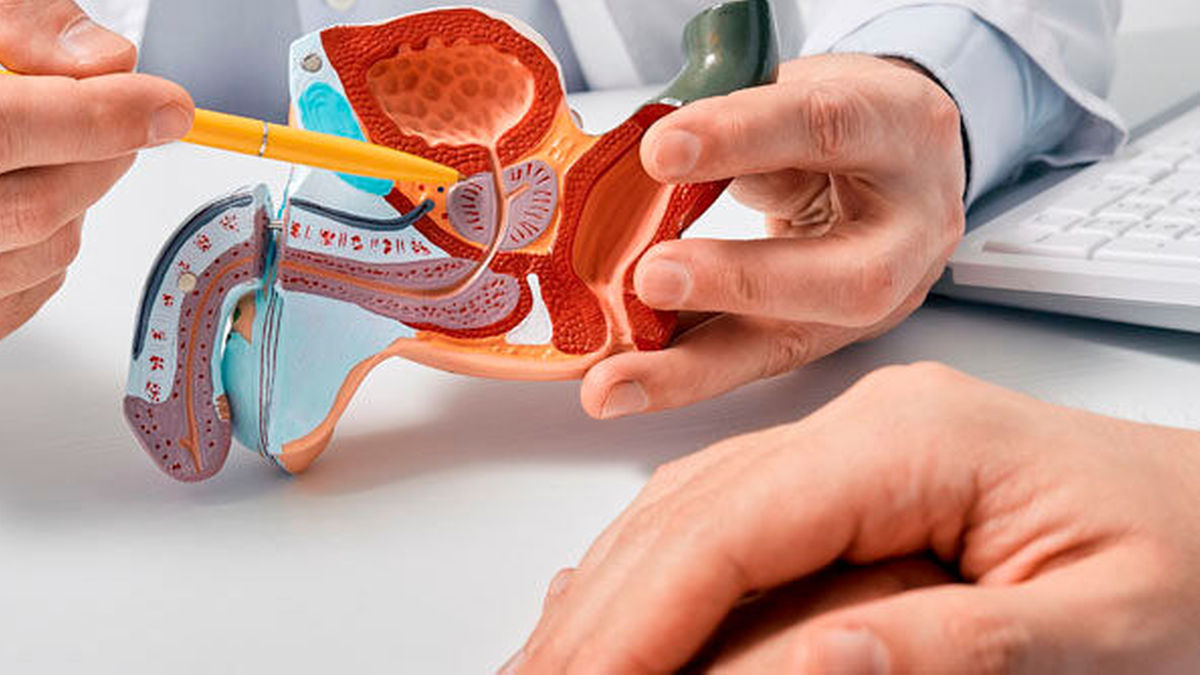
One of the earliest signs of prostate trouble is usually related to urination. The prostate sits below the bladder and surrounds part of the urethra, so even mild enlargement or irritation can affect how urine flows.
A weak stream, delayed start, or dribbling at the end of urination are common warning signs. You may also feel like you need to push harder than usual just to empty your bladder.
These symptoms often develop gradually, which is why they are so easy to overlook. Still, they can reveal obstruction, inflammation, or an enlarged prostate that deserves medical attention.
Frequent Urination and Nocturia
If you find yourself going to the bathroom more often during the day, that can be another early clue. Even more telling is nocturia, which means waking up one or more times during the night to urinate.
One nighttime trip may not be unusual, but repeated sleep interruptions can signal an enlarged prostate or bladder irritation. Over time, poor sleep can affect energy, focus, and mood, making the issue harder to ignore.
Frequent urination can also happen because of high fluid intake, caffeine, alcohol, diabetes, or urinary tract issues. That is why it is important to look at the full pattern instead of assuming it is just a normal part of getting older.
Weak Stream, Hesitation, and Dribbling
A healthy urinary stream should start fairly easily and flow steadily. If you notice hesitancy before urinating, a stop-and-start pattern, or dribbling afterward, the prostate may be affecting bladder emptying.
Sometimes men notice that they have to stand longer at the toilet than before. Other times, the stream becomes thin or sprays in different directions, which can be frustrating and inconvenient.
These changes are especially important when they happen consistently. A single unusual day may not mean much, but repeated symptoms over weeks or months are worth discussing with a healthcare professional.
Pelvic Discomfort and Other Physical Warning Signs
Not all prostate symptoms involve urination. Some men experience discomfort in the lower abdomen, groin, perineum, or lower back, especially if inflammation or infection is present.
Pain or pressure in the pelvic region can be vague, which makes it easy to dismiss. However, when it occurs alongside urinary changes, it can point to prostatitis or another prostate-related condition.
It is also important to pay attention to any burning during urination or discomfort after ejaculation. These symptoms do not always mean a serious diagnosis, but they should be evaluated if they persist.

When Blood in the Urine or Semen Matters
Blood in the urine, also called hematuria, should always be taken seriously. It may look pink, red, or cola-coloured, and even a small amount warrants medical evaluation.
Blood in the semen can be alarming too. While it is sometimes caused by a benign infection or irritation, it still deserves a prompt checkup to rule out more significant issues.
These signs are not the most common early warning signs, but they are among the most important. If you see blood in either urine or semen, do not wait to see whether it goes away on its own.
How Prostate Issues Can Affect Sexual Health
Prostate problems may also show up through changes in sexual function. Some men notice reduced ejaculation volume, discomfort during ejaculation, or difficulty maintaining erections.
While erectile dysfunction can have many causes, including stress, circulation problems, and medication side effects, it can sometimes overlap with prostate health concerns. Because of that, sexual changes should be discussed openly rather than treated as a private issue to ignore.
Another sign worth noticing is pain during or after ejaculation. This can happen with prostatitis, inflammation, or infection, and it may improve once the underlying cause is treated.
What Causes These Symptoms in Men Over 40?
Several conditions can create similar prostate symptoms, which is why self-diagnosis can be misleading. The most common cause in middle-aged and older men is benign prostatic hyperplasia, or BPH, which means the prostate enlarges without being cancer.
Prostatitis is another possibility, and it can be caused by bacterial infection or chronic inflammation. This condition may lead to pain, urinary urgency, and discomfort that comes and goes.
Prostate cancer can also develop without obvious symptoms at first. That is one reason routine screening and early evaluation matter, especially when symptoms are persistent or progressively worse.
Benign Prostatic Hyperplasia vs. More Serious Conditions
BPH is very common and often responsible for slow urine flow, urgency, and nighttime bathroom trips. It is not cancer, but it can still affect quality of life if the prostate grows large enough to press on the urethra.
More serious conditions may bring similar symptoms, which is why a doctor may recommend testing rather than guessing. A urinalysis, prostate exam, PSA test, or additional imaging can help identify what is actually going on.
Do not assume symptoms are harmless just because they are common. A common problem can still need treatment, and treatment is often more effective when it starts early.
When to See a Doctor About Prostate Symptoms
If urinary symptoms last more than a few weeks, it is time to talk to a doctor. That is especially true if the stream is weakening, you are waking up repeatedly at night, or you feel like you cannot fully empty your bladder.
You should also seek medical attention sooner if symptoms appear suddenly, if you develop fever or chills, or if urination becomes painful. Those signs may suggest infection or a more urgent problem that should not wait.
Men with a family history of prostate cancer, African ancestry, or other risk factors should be especially proactive about screening. A conversation with a primary care doctor or urologist can help determine the right timeline for exams and tests.
What a Doctor May Check
A medical evaluation usually starts with a discussion of your symptoms, how long they have been happening, and whether they are getting worse. Your doctor may ask about nighttime urination, stream strength, pelvic pain, and any changes in sexual function.
Depending on your situation, you may also have a physical exam, urine testing, PSA blood work, or a digital rectal exam. These tools are not meant to alarm you; they are used to separate harmless changes from issues that need treatment.
If further testing is needed, your doctor will explain the next steps and help you understand the results. That clarity can make it much easier to choose the right treatment path.
Simple Habits That Support Prostate and Urinary Health
While not every prostate problem can be prevented, healthy habits can support urinary comfort and overall wellness. Staying hydrated is important, but so is limiting excess caffeine and alcohol if they make symptoms worse.
Regular physical activity, a healthy weight, and a diet rich in vegetables, fruits, and healthy fats may also support long-term prostate health. Some men find that reducing fluids late in the evening helps with nighttime bathroom trips.
It can also help to avoid holding your urine for long periods. Emptying your bladder when you feel the urge may reduce strain and make symptoms easier to manage.
Track Symptoms Before They Become a Bigger Issue
One of the simplest ways to protect your health is to keep track of what you notice. Write down how often you urinate, whether you wake at night, and any changes in stream, pain, or urgency.
This record can be very helpful during a medical visit because it gives your doctor a clearer picture of the pattern. It also helps you notice whether symptoms are stable, improving, or getting worse over time.
Small details matter, especially when prostate symptoms come and go. Tracking them can turn vague concern into useful information that supports faster answers.
Why Early Action Makes a Difference
Many men wait because the symptoms seem manageable or embarrassing, but delay can make the problem harder to address. Early attention often means simpler treatment, fewer complications, and better symptom control.
Even if the cause turns out to be something common like BPH, getting checked can improve your sleep, reduce discomfort, and prevent frustration. If the issue is more serious, early detection gives you more options and better outcomes.
The key is not to panic, but not to ignore the signs either. Paying attention now can help you protect your comfort, confidence, and long-term health for years to come.
Conclusion
If you are over 40 and noticing urinary changes, pelvic discomfort, or shifts in sexual health, take them seriously and bring them up with a healthcare professional. The Early Signs of Prostate Problems Every Man Over 40 Should Know are often subtle, but recognising them early can lead to faster answers, better treatment, and peace of mind you can actually feel day to day.
For a simple next step, you can also download the free Prostate Health Guide for Men Over 40 to learn more about common symptoms, helpful habits, and what to discuss with your doctor.
