

Do You Need Supplements to Lose Weight? What Actually Helps
If you have been wondering, Do You Need Supplements to Lose Weight?, the honest answer is that most people do not need them to see real progress. The right supplement can sometimes help with appetite, energy, or nutrient gaps, but it will never replace a calorie deficit, consistent habits, and a plan you can actually follow. That is why so many people buy fat burners and still feel stuck.
The good news is that weight loss does not have to be confusing. Once you understand what supplements can do, what they cannot do, and which strategies matter most, it becomes much easier to spend your time and money wisely. Let’s break it down in a practical way so you can make better choices without falling for hype.
What Supplements Can Really Do for Weight Loss
Supplements are meant to support your diet, not replace it. In the context of weight management, they may help with one small piece of the puzzle, such as reducing hunger, improving workout performance, or filling nutrient deficiencies that can affect energy levels. They are support tools, not shortcuts.
That distinction matters because many products are marketed as if they can melt fat on their own. In reality, sustainable fat loss still depends on a consistent energy deficit, adequate protein, regular movement, and habits that you can maintain long term. Without those fundamentals, even the best supplement will have limited impact.
Some supplements may offer modest benefits, but the effect is usually much smaller than people expect. For example, caffeine can slightly improve exercise output and alertness, while protein powder can make it easier to meet daily protein goals. Those benefits can help indirectly, but they do not override poor eating patterns or inactivity.
Do You Need Supplements to Lose Weight? The Short Answer
No, you do not need supplements to lose weight. Plenty of people lose fat successfully through food choices, portion control, strength training, walking, better sleep, and stress management alone. If your habits are consistent, supplements are optional rather than essential.
That said, there are situations where a supplement can be useful. If your diet is missing protein, you struggle to stay full, you have a confirmed deficiency, or you need a convenient way to support workouts, the right product may make your plan easier to follow. The key word is easier, not necessary.
It also helps to remember that weight loss is not only about scale weight. Preserving muscle, keeping energy stable, and avoiding extreme hunger are all part of a healthier process. A well-chosen supplement may support those goals, but the foundation still comes from your daily routine.
Supplements That May Help With Weight Loss
Although no supplement is a magic solution, a few evidence-backed options may offer real-world support. The most helpful ones usually work by improving satiety, supporting muscle retention, or making healthy habits easier to sustain. Still, they work best when paired with a structured eating plan.
Protein Powder for Satiety and Muscle Support
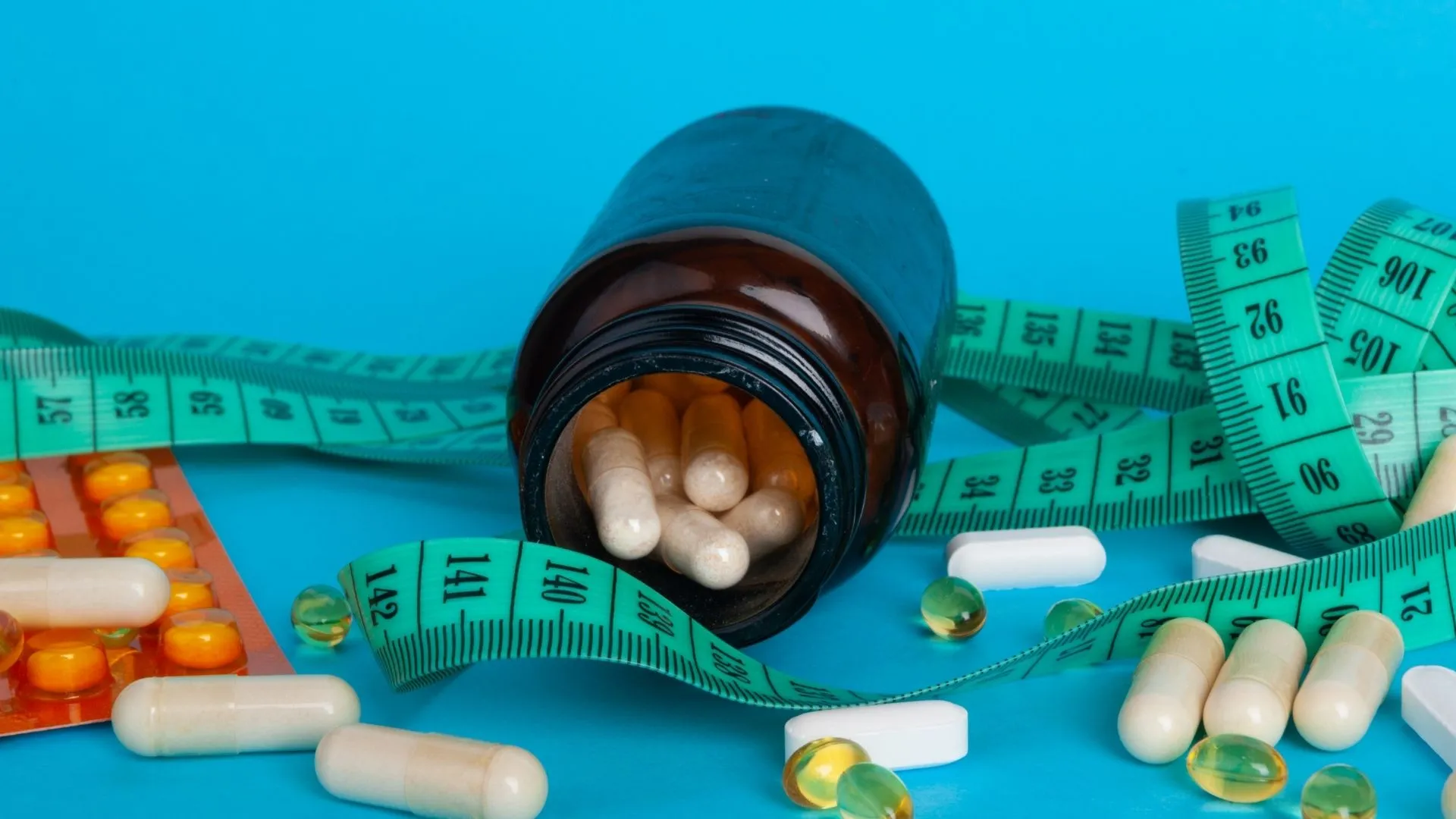
Protein is one of the most useful nutrients for fat loss because it helps you feel full and supports lean muscle mass. If you struggle to reach your protein target through food alone, protein powder can be a convenient way to close the gap. It is especially helpful for busy schedules, post-workout meals, or people who find solid food too heavy in the morning.
Whey, casein, soy, and pea protein can all work depending on your preferences and dietary needs. The best choice is the one you can use consistently. A simple shake can help reduce random snacking, especially when cravings hit between meals.
Fiber Supplements for Appetite Control
Fiber can help slow digestion, improve fullness, and support better blood sugar stability. If your current diet is low in vegetables, legumes, whole grains, and fruit, a fiber supplement may help bridge the gap. Psyllium husk is one common option because it mixes well with water and can be taken before meals.
Even so, whole-food fiber is usually the better first choice. Foods like berries, oats, chia seeds, beans, and leafy greens provide more nutrients along with fiber. A supplement should support a diet that is already moving in the right direction.
Caffeine and Green Tea Extract
Caffeine can improve focus, reduce perceived effort during exercise, and slightly boost calorie burn. That is one reason it appears in many weight-loss products. Used carefully, it can help some people train harder and stay more active throughout the day.
Green tea extract is another common ingredient, often promoted for its antioxidant content and mild metabolic effects. The actual impact on fat loss is usually small, but it may have a place in a broader routine. Be cautious, though, because concentrated extracts can cause side effects in some people, especially at higher doses.
Vitamin D, Iron, and Other Deficiency-Related Nutrients
If you are deficient in vitamin D, iron, B12, or another essential nutrient, you may feel tired, weak, or less motivated to exercise. In those cases, correcting the deficiency can improve energy and support more consistent habits. That does not directly burn fat, but it can help remove barriers to progress.
This is where testing and professional advice matter. Taking random vitamins without knowing whether you need them is usually a poor strategy. A targeted approach is more effective and far more cost-efficient.
Supplements That Often Get Oversold
Next, it is important to look at the products that sound appealing but rarely deliver meaningful results. Many of these supplements rely on bold marketing, celebrity endorsements, or before-and-after photos that do not reflect normal results. If a product promises rapid fat loss without diet changes, skepticism is warranted.
Fat Burners and Thermogenic Blends
Fat burners often contain caffeine, herbal extracts, and stimulant blends that may slightly increase alertness or energy expenditure. However, the real-world effect is usually too small to matter much on its own. The bigger issue is that people often use them instead of improving their overall habits.
Some thermogenic products can also cause jitteriness, rapid heartbeat, digestive upset, or sleep problems. If a supplement disrupts sleep, it can actually make weight loss harder by increasing hunger and lowering recovery. That is a bad trade-off for a tiny metabolic boost.
Detox Teas, Cleanses, and Quick-Fix Pills
Detox teas and cleanse products are usually designed to create temporary water loss or frequent bathroom trips, not true fat loss. The scale may drop for a day or two, but that is not the same as losing body fat. Once normal eating and hydration return, the weight often comes back quickly.
Quick-fix pills are equally misleading because they suggest you can bypass the basics. Real fat loss takes time, and the safest approach is the one that supports steady progress rather than dramatic promises. If a product sounds too good to be true, it usually is.
What Matters More Than Supplements for Losing Weight
Now that the role of supplements is clear, it is worth focusing on the things that truly move the needle. These factors have a much bigger effect on whether you lose weight and keep it off. In most cases, improving them will deliver better results than any pill or powder.
Create a Sustainable Calorie Deficit
To lose fat, your body needs to use more energy than you consume over time. That does not mean starving yourself or cutting out entire food groups. It means finding a moderate calorie deficit that you can maintain without feeling miserable.
Simple changes often work best: smaller portions, fewer liquid calories, more minimally processed meals, and fewer mindless snacks. When the deficit is too aggressive, hunger and fatigue usually rise, which makes consistency harder. A balanced approach is easier to sustain and more likely to succeed.
Prioritize Protein and High-Volume Foods
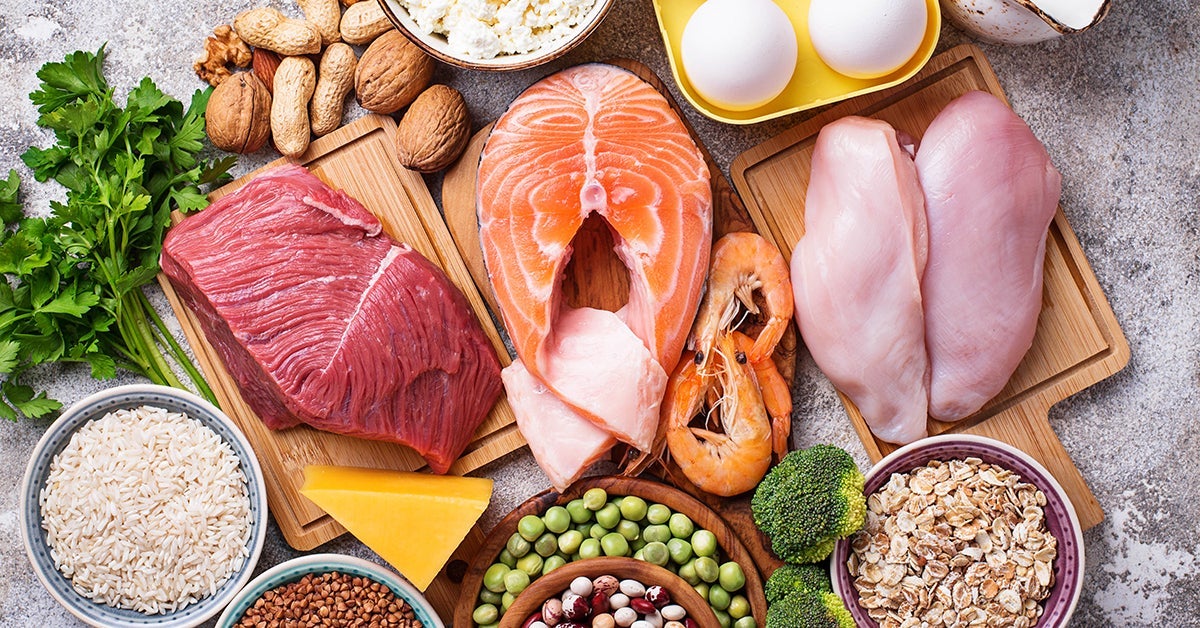
Protein helps preserve muscle during weight loss and keeps you full longer. High-volume foods like vegetables, soups, berries, and salads add bulk without adding a lot of calories. Together, they make it easier to stay satisfied while still eating less overall.
This is one reason structured meal planning works so well. When meals contain enough protein, fiber, and volume, cravings become more manageable. That is far more effective than relying on appetite-suppressing supplements alone.
Strength Training and Daily Movement
Exercise is not only about burning calories. Strength training helps preserve muscle, which supports metabolism and improves body composition as you lose weight. Walking, stairs, and general daily movement also contribute more than many people realize.
If your routine is mostly sedentary, increasing your step count can be a game changer. You do not need extreme workouts to see results. You need repeatable activity that fits your life and keeps you moving regularly.
Sleep and Stress Management
Poor sleep and chronic stress can increase hunger, reduce energy, and make it harder to stick to healthy habits. When you are tired, you are more likely to overeat, skip workouts, and reach for convenience foods. That is why recovery is part of the weight-loss conversation.
Getting enough rest, limiting late-night snacking triggers, and using stress-management tools can make your plan much more effective. Even small improvements in sleep quality can help you feel more in control of your appetite and choices.
How to Choose a Weight Loss Supplement Safely
If you decide to use a supplement, choose carefully. The market is crowded with products that make exaggerated claims and hide behind proprietary blends. A smart buyer looks for transparency, quality, and realistic expectations.
Check the Ingredient List
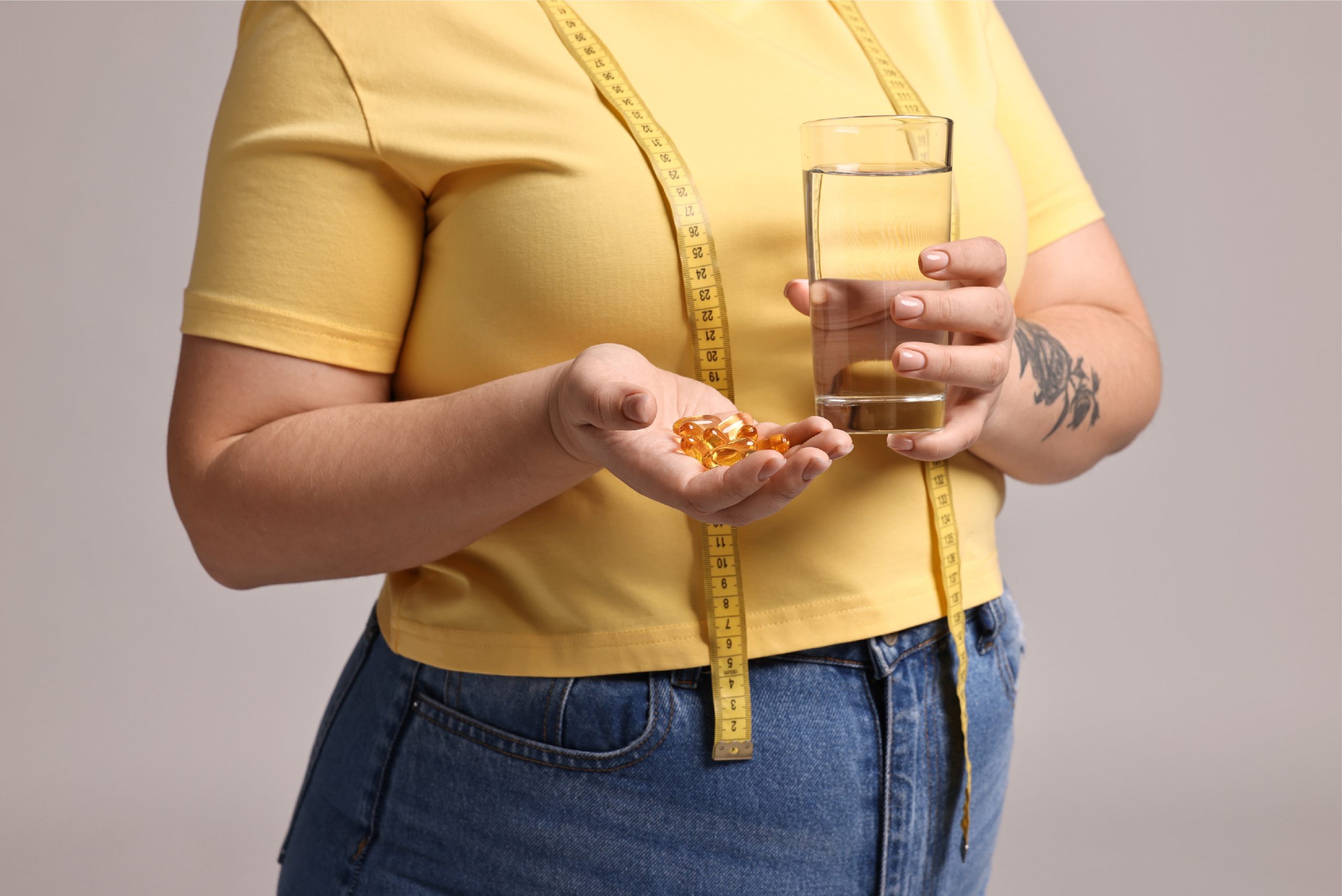
Look for products that clearly list every ingredient and the amount of each one. Avoid supplements that use vague labels or promise dramatic results with no explanation. Clear labeling is a sign that the brand is willing to be accountable for what it sells.
It also helps to compare the ingredient list with the actual evidence. Sometimes a product looks impressive because it contains many trendy ingredients, but each one is underdosed. More ingredients do not automatically mean better results.
Look for Third-Party Testing
Independent testing can help verify purity and quality. Certifications from reputable third-party organizations are especially useful if you want to reduce the risk of contamination or inaccurate labeling. This matters even more if you take medications or compete in sports.
Quality control varies widely across brands, so choosing tested products adds an extra layer of confidence. It is a small step that can protect your health and your budget.
Be Careful With Stimulants
Many fat-loss supplements rely on stimulants to create the feeling that they are working. While that might boost energy temporarily, too much stimulant use can affect sleep, anxiety, and recovery. Those side effects can easily interfere with your results.
If you are sensitive to caffeine or already struggle with rest, stimulant-heavy products may do more harm than good. A cleaner, simpler option is often the better choice.
When a Supplement Makes Sense
There are a few situations where supplements are genuinely helpful. If you cannot meet protein needs through food, if you have a diagnosed deficiency, or if a specific product helps you stay consistent, then it may be worth using. In those cases, the supplement is solving a real problem rather than creating a false promise.
Supplements can also be useful for convenience. A protein shake after a workout, fiber before meals, or a basic multivitamin when recommended by a professional may fit neatly into your routine. The point is to support behavior that already works, not replace it.
A Smarter Approach to Weight Loss
The best weight-loss plan is usually the one that emphasizes simple, repeatable actions. Build meals around lean protein, high-fiber foods, and reasonable portions. Add strength training, daily walking, enough sleep, and enough structure to stay consistent.
If you want to use supplements, choose them for a specific reason, not because a label promises fast fat loss. A good supplement can make the process easier, but the main driver of your results will still be your daily habits. When you focus on the fundamentals first, any supplement you add becomes a small bonus instead of a risky gamble.
If you are trying to decide what to buy next, start by asking whether it will help you eat better, move more, recover well, or stay consistent. That question will usually lead you to better choices than chasing the latest weight-loss trend.
Conclusion
So, do you need supplements to lose weight? In most cases, no. Supplements can be helpful in specific situations, but they are never the foundation of fat loss. Real progress comes from a calorie deficit, balanced meals, protein, movement, sleep, and habits you can maintain long term.
If you want a practical place to start, focus on the basics first and use supplements only when they solve a real problem. For extra support, you can also get a free download of the 7-Day Metabolism Reset Plan to help you build momentum and make healthy changes easier to follow.
