


How to Build Balanced Meals for Fat Loss (Beginner Guide)
Introduction
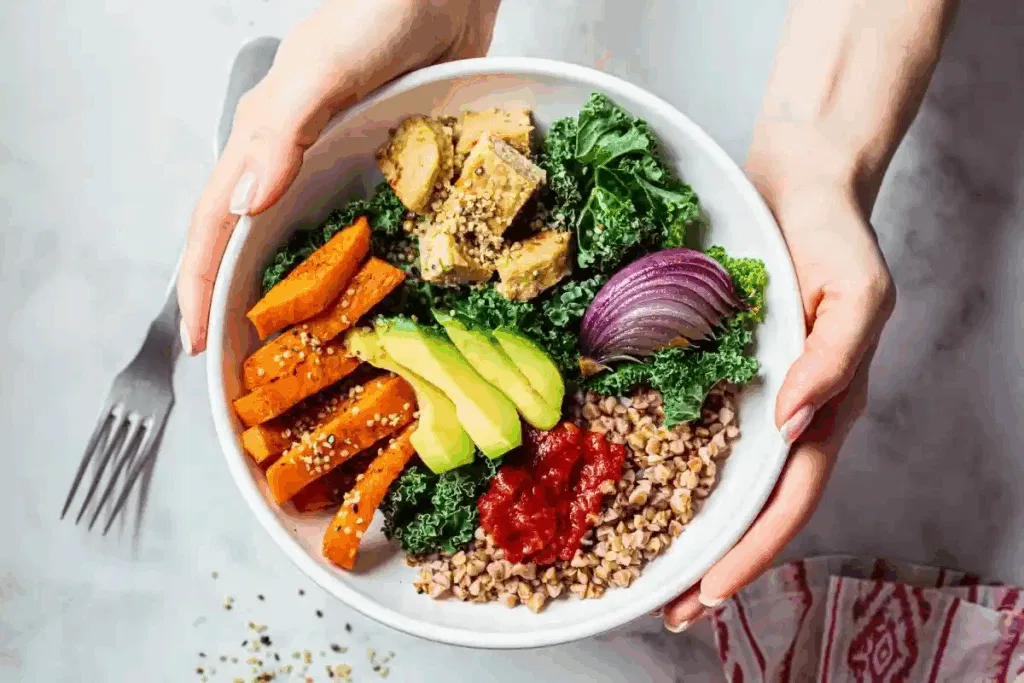
When it comes to fat loss, many people focus on what to avoid—cutting calories, removing foods, or following restrictive diets. But one of the most effective and sustainable approaches is much simpler: learning how to build balanced meals.
Balanced meals help your body function properly, support your metabolism, and make it easier to stay consistent without feeling deprived. Instead of constantly thinking about what you can’t eat, you focus on giving your body what it needs.
For beginners, this approach removes confusion and creates a clear structure that can be followed daily. It’s not about perfection—it’s about consistency.
Why Balanced Meals Matter for Fat Loss
Fat loss is not just about eating less. It’s about how your body uses energy.
When your meals are unbalanced, you may experience:
- Energy crashes
- Increased cravings
- Overeating later in the day
- Difficulty staying consistent
Balanced meals help stabilise energy levels, improve appetite control, and support your metabolism. This creates an environment where fat loss becomes easier and more sustainable.

The 3 Key Components of a Balanced Meal
A balanced meal is built around three core elements:
1. Protein
Protein is one of the most important nutrients for fat loss.
It helps:
- Support metabolism
- Maintain lean muscle
- Keep you feeling full
Good sources include:
- Eggs
- Chicken or turkey
- Fish
- Greek yogurt
- Beans and lentils
Including protein in every meal helps reduce hunger and makes it easier to stay consistent.
2. Healthy Fats
Fats are often misunderstood, but they play an important role in your overall health.
They help:
- Support hormone function
- Provide steady energy
- Improve satiety
Examples include:
- Avocados
- Nuts and seeds
- Olive oil
- Fatty fish
Adding a small amount of healthy fats helps create more satisfying meals.
3. Complex Carbohydrates
Carbohydrates provide energy and support daily activity.
Choosing the right type is key.
Focus on:
- Whole grains
- Vegetables
- Fruits
- Legumes
These provide fibre and nutrients, helping to keep energy levels stable and reduce cravings.
How to Build a Balanced Plate
A simple way to structure your meals is:
- Half your plate: vegetables
- One quarter: protein
- One quarter: carbohydrates
- Add a small amount of healthy fats
This approach keeps things simple and ensures your body gets what it needs.
You don’t need to measure everything perfectly. Use this as a guide rather than a strict rule.
Simple Meal Examples
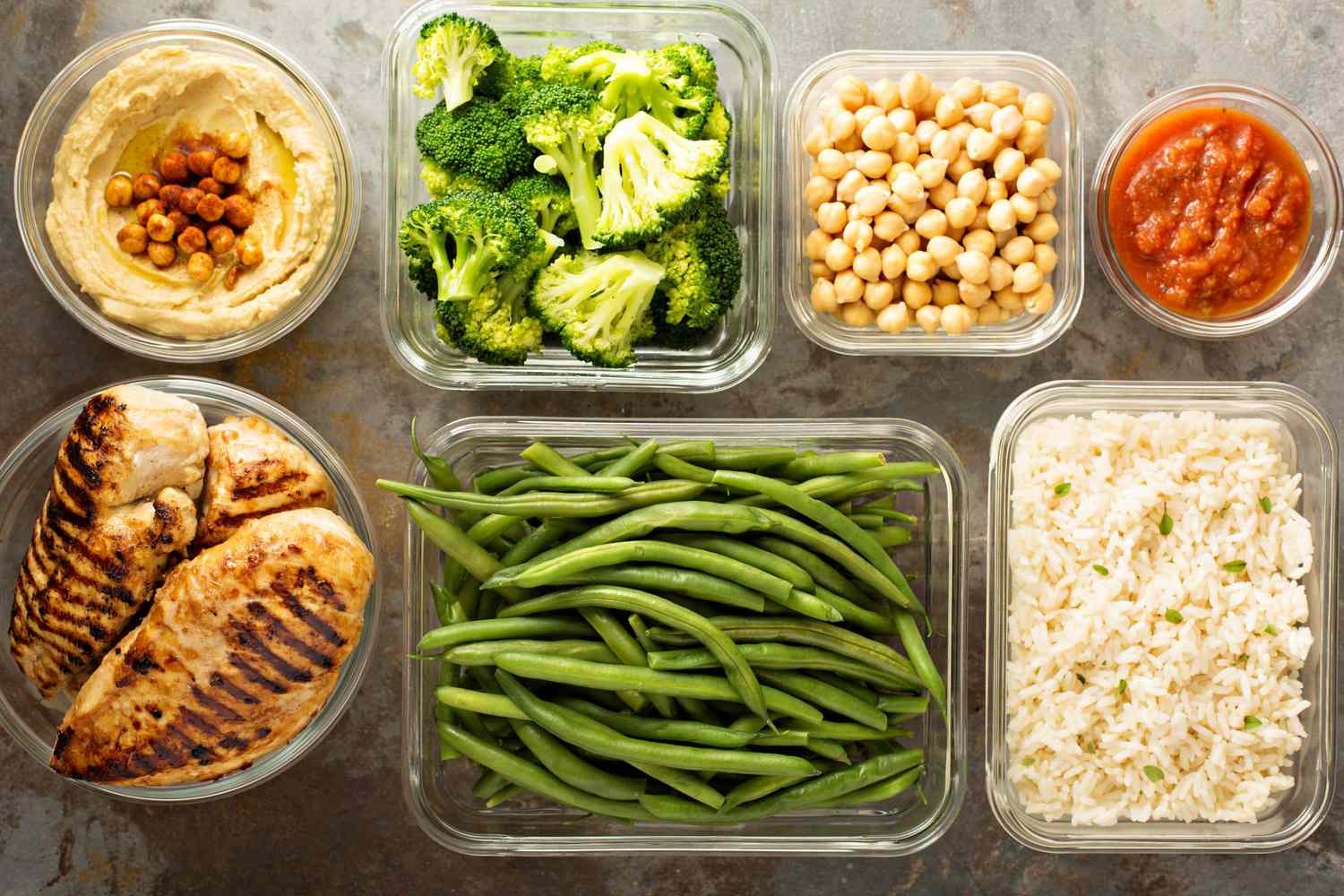
Here are a few easy examples of balanced meals:
- Grilled chicken, vegetables, and brown rice
- Eggs, whole grain toast, and avocado
- Salmon, leafy greens, and quinoa
- Yogurt with fruit, nuts, and seeds
These meals are simple, practical, and easy to repeat.
Common Mistakes to Avoid
Skipping Protein
Meals without protein often lead to hunger and cravings later.
Overeating Processed Foods
Highly processed foods can disrupt energy levels and make it harder to stay consistent.
Cutting Carbs Too Low
Carbohydrates are not the enemy. Removing them completely can reduce energy and make your routine harder to maintain.
Eating Too Little
Eating too little can slow your metabolism and make fat loss more difficult over time.
Keeping It Simple
One of the biggest challenges is overcomplicating things.
You don’t need:
- Strict meal plans
- Perfect macros
- Complex recipes
You just need:
- Consistency
- Simple structure
- Balanced choices
The simpler your meals are, the easier it is to stick with them.
How Balanced Meals Support Your Metabolism
When your body receives consistent nutrition, it functions more efficiently.
Balanced meals help:
- Maintain energy levels
- Support digestion
- Reduce stress on the body
- Improve consistency
Over time, this creates a foundation that supports fat loss naturally.
What to Expect
When you start building balanced meals consistently, you may notice:
- More stable energy
- Reduced cravings
- Better control over hunger
- Improved routine consistency
These changes make fat loss feel easier and more manageable.
Final Thoughts
Fat loss does not need to be complicated.
By focusing on balanced meals, you create a simple and sustainable approach that supports your body over time.
Instead of extreme changes, focus on small improvements that you can maintain.
Consistency will always produce better results than perfection.
Want a Simple Plan to Follow?
If you want a step-by-step approach to building balanced meals and supporting your metabolism:
Download the free 7-Day Metabolism Reset Plan.
Inside, you’ll discover:
- Simple meal structure
- Daily habits
- Easy routines to follow
Start simple. Stay consistent. Let your body work with you.
