

Table of Contents
ToggleWhat to Eat to Boost Metabolism Fast
If you’re trying to lose weight or burn fat more efficiently, one of the most important factors to focus on is your metabolism. Your metabolism controls how your body converts food into energy, and when it’s working well, your body becomes more efficient at burning calories and using stored fat as fuel.
Many people assume metabolism is fixed, but the truth is that your daily food choices can have a significant impact on how your body functions. Certain foods can support metabolic activity, improve energy levels, and help your body burn fat more effectively. The key is knowing what to eat and how to incorporate it into your routine consistently.
What Is Metabolism and Why It Matters
Metabolism refers to all the chemical processes in your body that keep you alive and functioning, including breathing, digestion, and energy production. A faster and more efficient metabolism allows your body to burn more calories throughout the day, even when you are resting.
When your metabolism slows down, your body becomes more likely to store fat instead of using it for energy, which can make weight loss feel slow and frustrating. By choosing the right foods, you can help support your metabolism naturally and create the conditions your body needs to burn fat more effectively.
How Food Affects Your Metabolism
Every time you eat, your body uses energy to digest, absorb, and process nutrients. This is known as the thermic effect of food. Some foods require more energy to process than others, which can temporarily increase your metabolic rate. In addition, certain nutrients help regulate hormones, support muscle maintenance, and improve overall energy levels.
These factors all play a role in how efficiently your body burns calories. The goal is not to rely on quick fixes or “magic foods,” but to build a diet that consistently supports metabolic function over time.
Protein-Rich Foods That Boost Metabolism
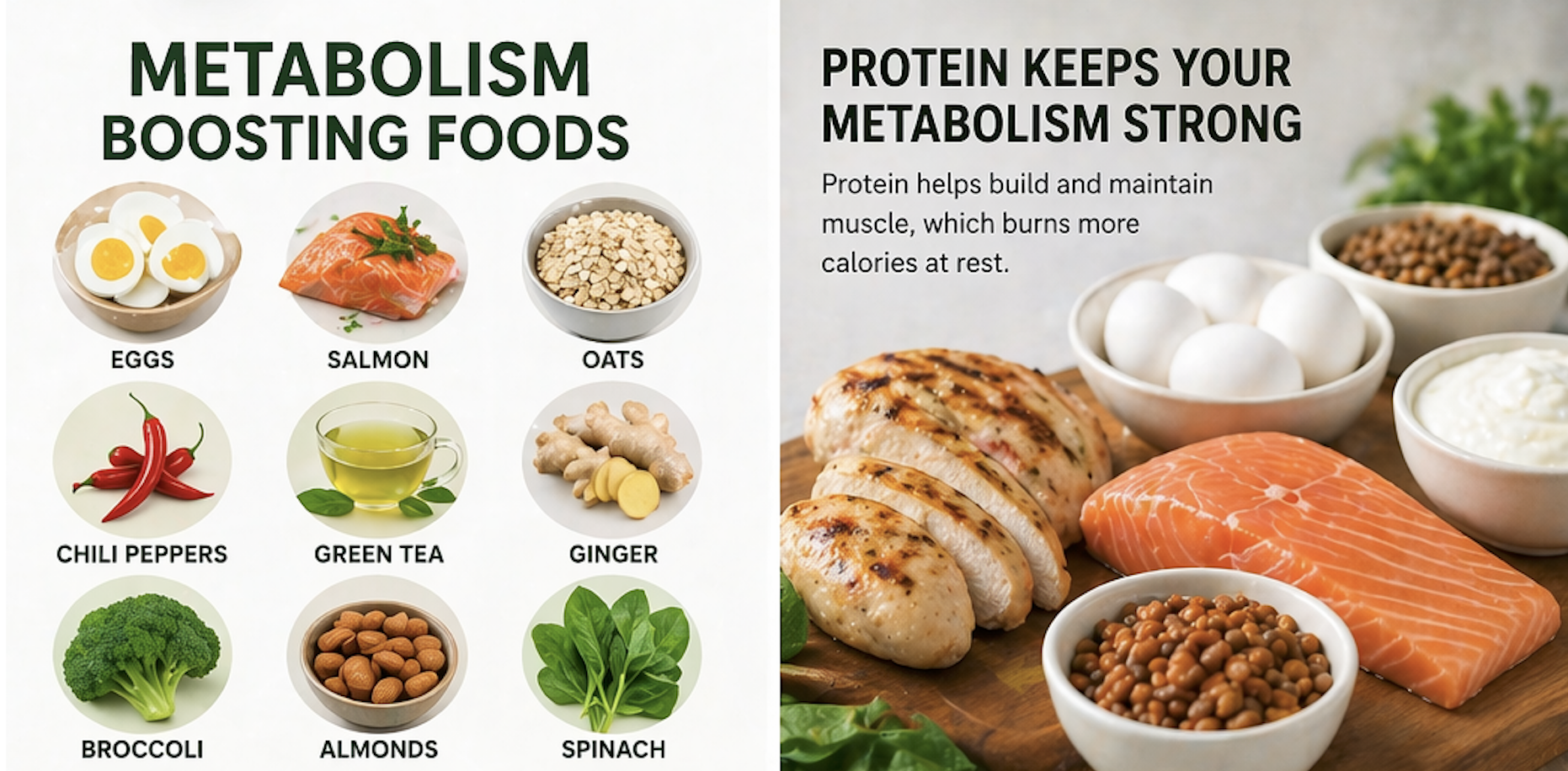
Protein is one of the most important nutrients for supporting metabolism because it has a higher thermic effect compared to fats and carbohydrates. This means your body burns more calories digesting protein than it does processing other nutrients. Protein also helps preserve muscle mass, which is essential for maintaining a healthy metabolism since muscle tissue burns more calories than fat tissue, even at rest.
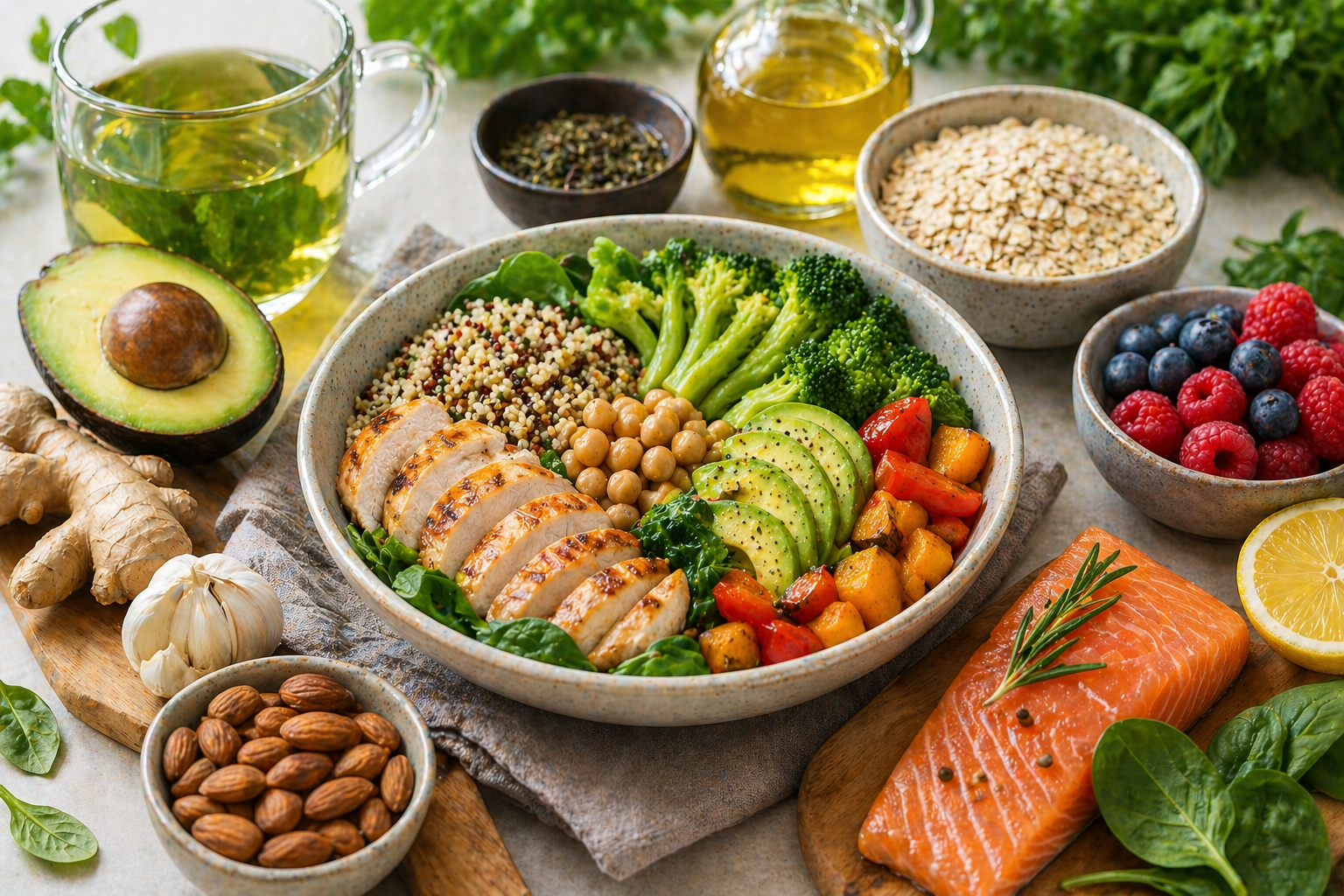
Good sources of protein include lean meats such as chicken and turkey, fish, eggs, Greek yogurt, beans, lentils, and plant-based options like tofu. Including protein in every meal can help stabilise blood sugar levels, reduce cravings, and keep your metabolism active throughout the day.
Healthy Fats That Support Fat Burning
Fat is often misunderstood when it comes to weight loss, but healthy fats play an important role in supporting metabolism. They help regulate hormones, provide long-lasting energy, and keep you feeling full for longer periods, which can reduce overeating. Sources of healthy fats include avocados, nuts, seeds, olive oil, and fatty fish such as salmon.
These foods support overall metabolic health and can help maintain steady energy levels. The key is moderation, as fats are calorie-dense, but when used correctly, they can support fat loss rather than hinder it.
Metabolism-Boosting Carbohydrates
Carbohydrates are your body’s primary source of energy, but the type of carbohydrates you choose makes a significant difference. Refined carbohydrates, such as sugary snacks and white bread, can lead to rapid spikes and crashes in blood sugar, which can negatively affect your metabolism.
On the other hand, complex carbohydrates such as whole grains, vegetables, and fruits provide a steady release of energy and support overall metabolic function. Foods like oats, brown rice, quinoa, and sweet potatoes are excellent choices that help fuel your body without causing energy crashes. These foods also contain fibre, which supports digestion and helps maintain stable blood sugar levels.
Foods That Naturally Boost Metabolism
Certain foods have been linked to increased metabolic activity due to their thermogenic properties or nutrient profile. These include foods like green tea, which contains compounds that may support fat burning, and spicy foods such as chilli peppers, which can temporarily increase calorie burn. Ginger is another popular option known for supporting digestion and metabolism. Apple cider vinegar is also commonly used as part of a balanced routine, as it may help regulate blood sugar levels and support digestion. While these foods are not a solution on their own, they can be useful additions to a diet designed to support fat loss.
The Importance of Hydration for Metabolism
Water plays a critical role in metabolic function, yet it is often overlooked. Even mild dehydration can slow down your metabolism and reduce your body’s ability to burn calories efficiently. Drinking enough water supports digestion, nutrient absorption, and overall energy levels.
Some studies suggest that drinking water can temporarily increase the number of calories your body burns, especially when consumed regularly throughout the day. Replacing sugary drinks with water or herbal teas is a simple but effective way to support your metabolism and reduce unnecessary calorie intake.
How Meal Timing Affects Metabolism
When you eat can be just as important as what you eat. Skipping meals or going long periods without eating can cause your body to conserve energy and slow down your metabolism. Eating balanced meals at regular intervals helps keep your metabolism active and prevents extreme hunger that can lead to overeating.
Starting your day with a nutritious breakfast that includes protein, healthy fats, and complex carbohydrates can help kickstart your metabolism and set the tone for the rest of the day. Consistency is key, and maintaining a regular eating pattern supports long-term metabolic health.
Common Mistakes That Slow Your Metabolism
Many people unintentionally slow down their metabolism through habits that seem harmless. Eating too little can signal to your body that it needs to conserve energy, which reduces calorie burn.
Relying heavily on processed foods can also negatively impact metabolic function due to poor nutrient quality. In addition, lack of sleep and high stress levels can disrupt hormones that regulate metabolism and fat storage. Addressing these factors is just as important as choosing the right foods, as they all work together to influence how your body functions.
Building a Metabolism-Boosting Diet
Creating a diet that supports your metabolism does not need to be complicated. The focus should be on balance and consistency rather than extremes. Aim to include protein in every meal, incorporate healthy fats in moderation, and choose complex carbohydrates over refined options. Add metabolism-supporting foods like green tea, ginger, and fibre-rich vegetables where possible, and stay well hydrated throughout the day. Over time, these habits create an environment where your body can function more efficiently and burn fat more effectively.
The Bigger Picture: Food, Metabolism, and Fat Loss
Food is only one part of the equation when it comes to metabolism and fat loss, but it is a critical one. When combined with proper sleep, regular movement, and stress management, the right diet can significantly improve your body’s ability to burn fat.
Many people focus on cutting calories without considering how their food choices affect their metabolism. By shifting your focus to supporting your body rather than restricting it, you create a more sustainable approach to weight loss.
Final Thoughts
Boosting your metabolism is not about finding a single food or quick solution. It is about building consistent habits that support your body over time. By focusing on nutrient-dense foods, maintaining balance, and avoiding extremes, you can help your body function more efficiently and improve your ability to burn fat. Small, consistent changes often lead to the best long-term results.
Not Sure Where to Start?
If you want a simple way to begin, start by building a strong foundation. Download our free 7-Day Metabolism Reset Plan to help support your body naturally and create the right conditions for fat loss.
